Prediction of single cell gene expression
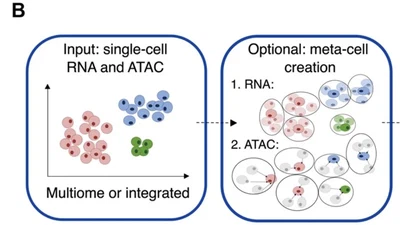
Learning the relationship between gene-regulatory regions from epigenome and transcriptome data measured for single-cell is hard. We have developed an automated Nextflow pipeline …

Learning the relationship between gene-regulatory regions from epigenome and transcriptome data measured for single-cell is hard. We have developed an automated Nextflow pipeline …
Expand an existing Netxflow pipeline that links epigenome to transcriptome
Expand an existing Netxflow pipeline that links epigenome to transcriptome
Enabling allele-specific analysis of epigenome data

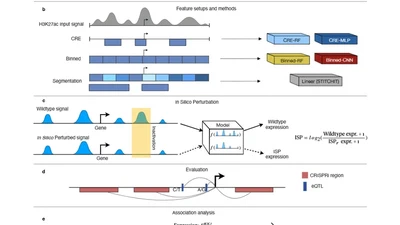
Prediction of gene expression from epigenome data is an important task to link epigenome variation to changes in gene expression. Over the years we have designed a number of …

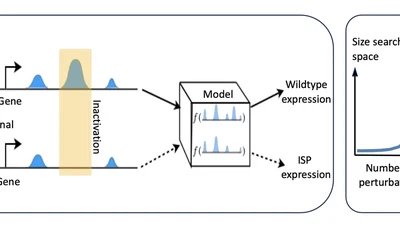
We use gene-specific models to predict expression from epigenetic activity and perturb candidate regulatory elements in silico to identify small combinations that shift …
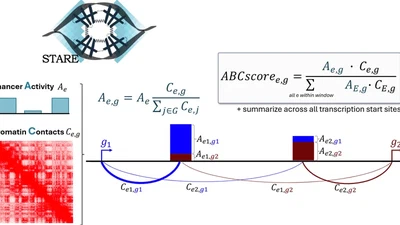
Enhancer–gene interactions are an important factor in epigenomics because they help to explain how regulatory regions control gene expression. Enhancers can act over large …